What to know about Bromley Council rules for cleaning waste
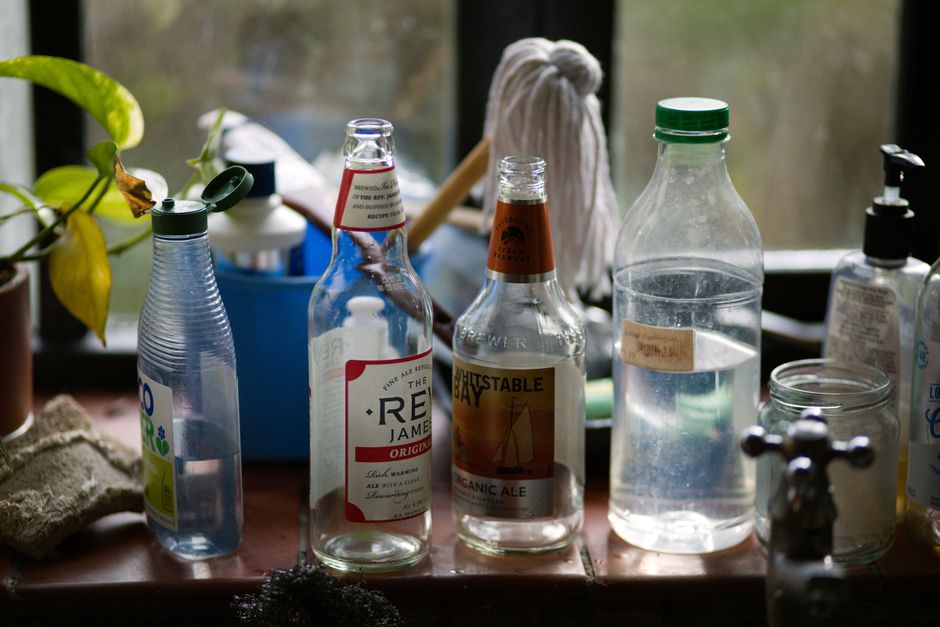
If you are dealing with buckets of dirty water, dust, used cloths, sludge, or leftover cleaning chemicals, the rules around disposal can feel annoyingly unclear. That is exactly why it helps to understand What to know about Bromley Council rules for cleaning waste before you tip anything away. A quick mistake can lead to blocked drains, bad smells, messy shared bins, or even complaints from neighbours. Not ideal on a wet Tuesday evening, let's be honest.
This guide breaks the topic down in plain English. You will learn what counts as cleaning waste, why disposal matters, how Bromley-style household waste rules are usually applied in practice, and what to do if you are cleaning a home, a rental, or a commercial space. We will also cover common mistakes, best practice, and a sensible checklist you can use straight away.
Why Bromley Council rules for cleaning waste matter
Cleaning waste sounds harmless until you actually have to deal with it. A mop bucket full of grey water, pet stain residue, carpet extraction water, and the odd clump of fluff does not belong everywhere. Local waste expectations exist for a reason: they protect drains, reduce contamination, keep shared bin areas usable, and help stop avoidable fly-tipping or blocked sewers.
In a place like Bromley, where you might be dealing with a mix of terraced homes, flats, managed estates, and commercial premises, the practical challenge is often less about cleaning and more about disposal. What goes down the sink? What should be bagged? What can be dried and binned? And what needs a more careful approach because it may count as chemical or bulky waste? Those are the real questions people ask once the job is half done.
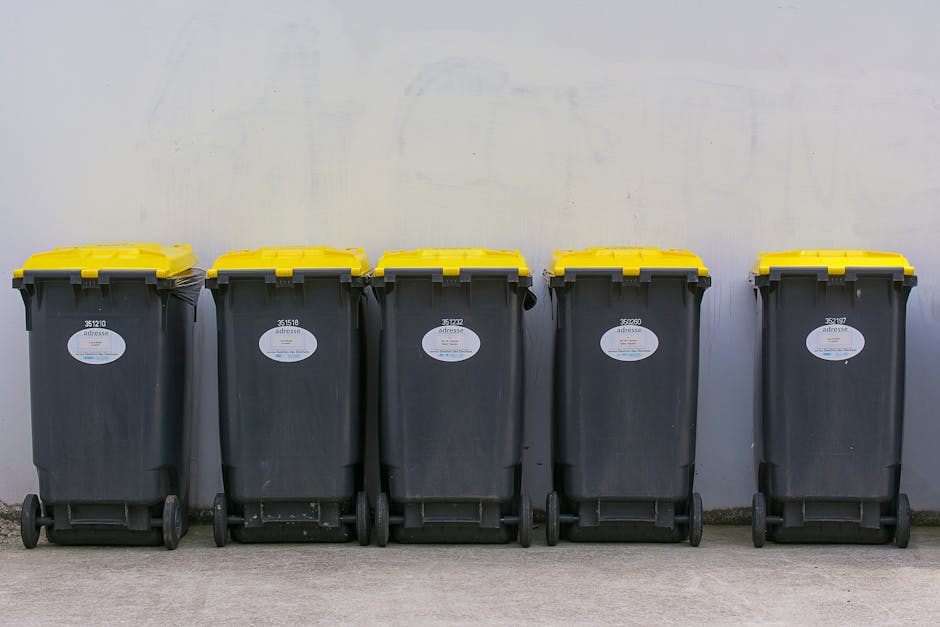
There is also a neighbourly side to this. Shared entrances, communal bins, and narrow side access all make improper waste handling more noticeable. If you have ever smelled stale carpet water left in a bin store on a warm afternoon, you know why this matters. A little care goes a long way.
Practical takeaway: treat cleaning waste as something to sort before the job starts, not after the room is already wet and the bins are full.
How Bromley Council rules for cleaning waste works
The first thing to understand is that "cleaning waste" is not one single category. Different materials need different handling. A sensible approach is to split waste into four broad groups: liquid waste, solid non-hazardous waste, contaminated items, and chemical leftovers.
Liquid waste usually includes dirty mop water, carpet extraction waste, rinse water, and similar fluids. In many ordinary household situations, small amounts of dirty water may be disposed of carefully down a suitable drain or toilet, but only if the contents are non-hazardous and the product used is appropriate. That said, it is not a free-for-all. If the water contains strong chemicals, oils, bleach-heavy solutions, or unusual contaminants, caution matters.
Solid waste can include dust, lint, used disposable cloths, vacuum bag contents, wipe-down debris, and general dirt. This is typically bagged and placed in the correct residual waste stream, provided it is not contaminated with hazardous substances.
Contaminated waste is where people get caught out. Think of cloths soaked in solvents, pads used for mould cleaning, or materials contaminated with bodily fluids, pet waste, or pest-related residues. These can require extra care and should not be mixed casually with everyday rubbish.
Chemical waste means leftover cleaning products, strong stain removers, drain cleaners, disinfectants, or anything with warnings that suggest special handling. In practice, you should follow the product label, dilute only where instructed, and never assume "just a small amount" makes it safe for the sink.
One useful way to think about it is this: the more aggressive the product or the more contaminated the waste, the more carefully it needs to be separated. Simple, but it saves a lot of hassle.
Key benefits and practical advantages
Following the right waste approach is not only about compliance. It saves time, prevents mess, and keeps the whole cleaning process calmer. That sounds a bit obvious, yet in real life the person mopping at 9pm often discovers the bin is already overflowing. Then the stress starts.
- Less risk of blocked drains: Fine debris, grease-like residue, and thick slurry can create drainage problems you really do not want.
- Cleaner communal areas: Good waste handling avoids smells, leaks, and complaints in shared spaces.
- Better hygiene: Correct disposal reduces the chance of cross-contamination, especially after deep cleans, pet accidents, or mould-related jobs.
- Smoother routine cleaning: When waste is sorted properly, the job tends to move faster and feel less chaotic.
- Lower risk of accidental rule breaches: If you are managing a rental, office, or commercial site, good practice helps you avoid needless problems.
There is another advantage people overlook: proper waste handling can make later cleaning easier too. When cloths, pads, and containers are segregated early, you spend less time double-checking what can be reused and what needs to go straight out. Small thing, but it adds up.
Who this is for and when it makes sense
This topic matters to a wider group than you might expect. Homeowners, tenants, landlords, letting agents, cleaners, facilities teams, and small business owners all run into cleaning waste at some point. Even a one-off end-of-tenancy clean can create more waste than a regular weekly tidy.
If you are a homeowner, you may be dealing with shampoo residue, dust from skirting boards, old cloths, and spot-cleaning fluids. Usually this is straightforward, but it still pays to separate wet waste from dry waste.
If you rent a property, the main concern is often leaving the place in a clean, safe state without causing drain or bin issues. A landlord may also expect waste to be removed properly after a heavy clean, especially if carpets, upholstery, or mattresses have been treated.
If you manage a business, the picture changes quickly. Commercial sites can generate larger volumes of waste and may have more specific disposal arrangements. That is one reason people often look at commercial carpet cleaning support and similar services when the volume gets awkward.
If you are dealing with specialist cleaning, such as stain removal, pet odour treatment, or steam-based cleaning, the waste stream can be a bit more nuanced. For example, the waste from pet stain and odour removal may need extra care because of contamination and smell control, while steam carpet cleaning often produces more liquid runoff than a standard surface clean.
So yes, the rules matter even for small jobs. More so than people expect, actually.
Step-by-step guidance
If you want a practical way to handle cleaning waste without overthinking it, use this sequence.
- Identify the waste before you start. Ask yourself whether you will create liquid waste, solids, contaminated cloths, or chemical leftovers. If you know this in advance, disposal gets much easier.
- Check the product label. Many cleaning products tell you whether residue can go down a drain, needs dilution, or should be disposed of as hazardous waste. The label is not glamorous, but it is useful.
- Separate reusable from disposable items. Keep microfibre cloths, mop heads, and pads separate from general rubbish if they are still usable after washing.
- Remove solids first. Hair, fluff, grit, food crumbs, and extracted debris should usually be bagged before you deal with liquid waste.
- Dispose of liquid waste carefully. If it is non-hazardous and appropriate to do so, use a suitable drain and avoid overloading it. Never pour concentrated product straight into a sink just because it looks harmless.
- Seal and label anything contaminated. If the waste has absorbed pet waste, mould, bodily fluids, or strong odours, contain it properly. Basic common sense here saves a lot of grief.
- Clean the tools after disposal. Rinse buckets, nozzles, cloths, and attachments so residue does not create smell or build-up later.
- Store leftovers safely. Keep remaining chemicals in their original containers where possible, with lids on and away from food, children, and pets.
A useful rule of thumb: if you would not want it sitting in a shared bin area on a summer day, it probably needs better handling. Fairly simple, but it works.
Expert tips for better results
Most waste problems do not come from dramatic mistakes. They come from small, avoidable habits. Here are the ones that make the biggest difference in day-to-day cleaning.
- Use less product than you think. Many stains and surfaces respond better to controlled application than to soaking. More product often means more waste, not better results.
- Work in stages. Extract, collect, bag, then rinse. Trying to do everything at once is where spillage starts.
- Keep a designated waste caddy. A small bucket, liner, or tray for cloths and debris keeps the job tidy and stops contamination spreading around the room.
- Ventilate early. Good airflow helps wet waste dry faster and reduces lingering smell. Open a window if it is practical, even for twenty minutes.
- Choose washable tools where you can. Reusable microfibre cloths and washable mop heads often create less waste than piles of disposable wipes.
- Do a final walk-through. Before you leave a room, check the floor edge, plug holes, sink area, and bin location. Cleaning waste has a habit of hiding in plain sight. Annoying little thing.
If you are dealing with stubborn marks or residue, a specialist approach can help reduce waste overall. For example, targeted stain removal can sometimes avoid the need for repeat cleaning, which means less runoff and fewer disposable materials.
For fabric items, proper technique matters too. Good upholstery cleaning, rug cleaning, or curtain cleaning can reduce excess moisture and keep disposal more manageable. The cleaner the process, the simpler the waste.
Common mistakes to avoid
Some mistakes are so common they almost look normal. They are not, though.
- Pouring unknown liquids down the drain. If you cannot identify the product or its residue, pause first. Do not improvise.
- Mixing chemicals together. Even small amounts can react badly. That includes combining old leftovers in one bottle "to save space".
- Leaving wet cloths in sealed bags too long. They can smell awful, grow mould, and attract complaints faster than you would expect.
- Forgetting about shared bins. A bag that leaks in a communal bin store is everyone's problem, not just yours.
- Using too much water in one go. Oversaturating carpets, mattresses, or sofas creates extra runoff and more disposal work later.
- Treating all waste as general rubbish. That is one of those shortcuts that feels convenient right up until it does not.
Truth be told, most of these problems are preventable with a bit of planning. Nothing fancy. Just a habit of sorting waste as you go.
Tools, resources and recommendations
You do not need a van full of equipment to handle cleaning waste properly. A few dependable tools make the job much easier.
- Heavy-duty bin liners: useful for damp cloths, debris, and small contaminated items.
- Two buckets: one for clean water, one for waste or rinse water, so you are not swapping between them constantly.
- Microfibre cloths: reusable, efficient, and generally lower-waste than paper alternatives.
- Gloves: especially helpful when dealing with stain residue, pet mess, or chemical products.
- A small scraper or scoop: for solid debris before liquid disposal.
- Ventilation aids: open windows, extractor fans, or simply keeping doors ajar can help a lot.
Within a cleaning business, good policies matter too. A clear health and safety policy and a sensible recycling and sustainability approach help keep waste handling consistent, not guesswork-based. That consistency matters more than people think.
If you are comparing providers, it is also worth checking how they handle risk and responsibility. Their insurance and safety information should give you a better sense of whether their methods are carefully managed. Not glamorous, but important.
Law, compliance, standards and best practice
When people talk about council rules, they often mean a mix of local waste expectations, building rules, product safety guidance, and basic environmental common sense. The exact requirement can vary depending on the waste type, the setting, and whether the waste is domestic or commercial. Because of that, it is wise to be careful rather than overly certain.
In general UK practice, the safest approach is to:
- avoid disposing of hazardous liquids with normal household waste
- follow manufacturer instructions on cleaning products
- separate contaminated waste from general rubbish where needed
- avoid putting solids, lint, or sludge into drains if they could clog them
- use proper disposal routes for commercial or specialist waste if the job creates larger volumes
For businesses, the compliance bar is usually higher. Offices, retail units, managed properties, and hospitality sites may create more volume and a wider range of residues. That is one reason commercial cleaning should be planned with waste handling in mind from the outset. Good practice is not just about staying tidy; it is about reducing risk, costs, and disruption.
If you are unsure whether a particular cleaning waste stream is normal, contaminated, or potentially hazardous, the safest move is to stop and review the product information. That small pause can save a much bigger headache later.
Options, methods and comparison table
Different cleaning situations call for different disposal methods. The right choice depends on the material, the volume, and how contaminated it is. Here is a simple comparison that may help.
| Waste type | Typical examples | Best general approach | Main risk if handled badly |
|---|---|---|---|
| Non-hazardous liquid waste | Dirty mop water, rinse water, light cleaning runoff | Dispose carefully and only where appropriate, following product guidance | Drain contamination, splashing, odour |
| Dry solid waste | Dust, fluff, vacuum contents, general debris | Bag and place in the correct residual waste stream | Mess, leakage, cross-contamination |
| Contaminated cleaning materials | Cloths used on pet mess, mould, bodily fluids | Seal, separate, and dispose carefully based on contamination level | Hygiene issues, smell, unsafe handling |
| Chemical leftovers | Unused stain remover, strong disinfectant, solvent residues | Keep in original container and follow label instructions | Reaction, harm, improper disposal |
The table is simple on purpose. In real life, the cleaner the job, the more obvious the disposal route tends to be. The messy jobs are the ones that need judgement.
Case study or real-world example
Imagine a flat in Bromley after a long winter: muddy foot traffic by the hallway, a rug with salt marks, and a sofa that has taken on a slightly damp, lived-in smell. Nothing dramatic, just the kind of everyday mess that builds slowly. The resident starts with a big bucket, a strong all-purpose cleaner, and a pile of cloths. Halfway through, the bucket is grey, the cloths are wet, and the bin is already full.
What goes well in this kind of scenario? First, the person isolates the dirt and hair before adding more water. Then they separate reusable cloths from waste cloths. After the rug is treated with a targeted method, there is less runoff than expected. The final step is to let the waste cool, drain only what is appropriate, and bag the rest securely. The hallway ends up clean, the bin area stays fine, and there is no mysterious smell drifting out the next morning. Simple win.
Now compare that with the alternative: everything tipped into one bag, wet cloths left inside, and dirty water poured carelessly into a sink that is already slow to drain. That is where problems start. One approach is controlled; the other is a bit of a gamble.
This is exactly why many people prefer to use experienced help for deeper fabric jobs, especially if the cleaning involves multiple surfaces. A planned service such as carpet cleaning or sofa cleaning can reduce the amount of waste you have to manage yourself. Fewer surprises, less faff.
Practical checklist
Use this checklist before, during, and after cleaning. It is the sort of thing you can skim in thirty seconds, which is handy when you are already juggling three tasks.
- Identify the type of waste the job will create.
- Check labels on all products used.
- Keep chemical leftovers separate from general rubbish.
- Bag dry debris before dealing with liquids.
- Do not pour unknown residues into sinks or drains.
- Use sealed liners for damp or contaminated items.
- Wash tools promptly after use.
- Ventilate the room to reduce moisture and smell.
- Keep shared bin areas clean and leak-free.
- Review whether the job needs professional support.
If you are cleaning regularly, it also helps to keep a simple waste routine on hand. That way, you are not reinventing the process each time. And yes, the routine gets boring after a while. Boring is good here.
Conclusion
The main thing to remember about Bromley Council-style cleaning waste rules is that they are less about perfection and more about being careful, consistent, and sensible. Separate the waste types, follow product instructions, avoid putting questionable liquids down drains, and think ahead if the job may create contamination or a bigger volume of waste.
For households, that usually means keeping things tidy and avoiding avoidable problems. For landlords and businesses, it can also mean reducing complaints, protecting plumbing, and keeping operations smooth. That is the real value here: fewer surprises, fewer repairs, and a cleaner outcome overall.
If you are unsure how to deal with a specific cleaning job, it is often wiser to slow down and choose the cleaner, safer route. A little caution now is much easier than dealing with a blocked drain or a smelly bin store later. And frankly, nobody wants that.
Get a free quote today and see how much you can save.
Frequently Asked Questions
Can I pour dirty mop water down the sink?
Sometimes, but only if it is non-hazardous and the product guidance allows it. If the water contains strong chemicals, oils, or unusual contamination, do not guess. Safer to treat it as a disposal question first.
What counts as cleaning waste in a home?
Typical cleaning waste includes dirty water, dust, lint, used cloths, vacuum contents, and leftover product residue. If the waste is contaminated by pet mess, mould, or bodily fluids, it needs extra care.
Are used wipes and cloths just general rubbish?
Not always. Dry, non-contaminated items may go with general waste, but anything soaked in strong chemicals or biological contamination should be separated and handled more carefully.
Do I need special disposal for carpet cleaning waste?
Often the main issue is the dirty water and extracted debris. Small household jobs may be straightforward, but larger cleans or heavily contaminated carpets can create waste that needs more careful handling.
What should I do with leftover stain remover?
Check the product label first. Some products can be stored for future use, while others should be disposed of according to their instructions. Never mix leftovers together in one bottle.
Can I put pet-related cleaning waste in the bin?
It depends on the type and level of contamination. Lightly used cleaning cloths may be fine if bagged securely, but contaminated waste with strong odour or biological residue should be contained and handled carefully.
Is commercial cleaning waste different from domestic waste?
Yes, it can be. Commercial sites often create larger volumes and may have stricter disposal expectations. That is why planned waste handling matters more in offices, shops, and managed premises.
How do I stop cleaning waste from smelling bad?
Bag damp items promptly, avoid leaving wet cloths sealed for too long, ventilate the room, and clean tools soon after use. Smell usually comes from delay, not the cleaning itself.
What is the biggest mistake people make with cleaning waste?
The biggest one is treating every waste stream the same. Once you separate liquids, solids, and contaminated materials, most of the problems become much easier to manage.
When should I use professional help?
If the job involves heavy runoff, strong staining, large areas, delicate fabrics, or contamination you are not comfortable handling, professional support is usually the sensible choice.
Can proper cleaning reduce waste overall?
Yes. Better methods often mean less product, less repeat work, and less runoff. Targeted cleaning tends to create less mess than over-wetting everything and hoping for the best.
How do I know if waste is hazardous?
Start with the label and any warnings on the product container. If the waste contains strong chemicals, solvents, or biological contamination, treat it as something that needs careful separation rather than a normal bin job.
If you want to keep your cleaning routine tidy, compliant, and genuinely manageable, it helps to pair good habits with the right service support. For more on the company, see about us, review the terms and conditions, or get in touch through the contact page when you are ready to talk through the details. A calm, well-planned clean is usually the best clean, really.