Insurance and Safety
 Our insurance and safety approach is designed to protect people, property, and operations while keeping every project running with confidence. Whether work takes place on a busy site, in a commercial setting, or in a residential environment, we place risk control at the centre of every decision. This means combining suitable public liability insurance, consistent staff training, reliable PPE, and a detailed risk assessment process that is reviewed before work begins and throughout delivery.
We believe that strong protection is not built on paperwork alone. Effective insurance and safety management relies on preparation, awareness, and accountability across every level of work. By identifying hazards early and putting practical safeguards in place, we reduce the likelihood of incidents and improve overall operational resilience. Our systems are structured to support compliance while also promoting a safe, organised, and professional working environment.
The first layer of protection is our commitment to public liability insurance. This cover is an important part of any responsible safety framework, helping to provide financial protection in the event of accidental injury or property damage involving third parties. It supports our wider duty of care and reflects the importance we place on operating responsibly. Alongside insurance, we maintain a proactive approach to prevention so that risks are controlled before they become problems.
 Staff capability is central to maintaining high standards of workplace safety. Every team member receives relevant training designed to build understanding of safe procedures, hazard awareness, emergency response, and correct equipment use. This training is not treated as a one-time activity; it is reinforced through refreshers, supervision, and task-specific instruction where needed. By investing in people, we strengthen the culture of care that underpins our entire approach to safety and insurance responsibilities.
Training also supports decision-making on the ground. When staff understand what to look for and how to respond, they are better equipped to recognise unsafe conditions and take immediate action. This helps protect colleagues, clients, visitors, and the wider public. In practice, strong training reduces avoidable errors, improves coordination, and ensures that insurance and safety measures are supported by informed behaviour at every stage of work.
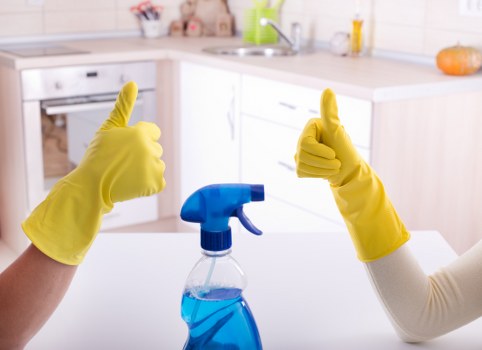
 A key part of safe delivery is the correct use of personal protective equipment. We ensure that suitable PPE is available and used according to the nature of the task, the environment, and the identified hazards. Depending on the work involved, this may include gloves, helmets, eye protection, high-visibility clothing, respiratory protection, or safety footwear. PPE is never considered a substitute for control measures; instead, it forms an important final barrier within our layered safety system.
Our risk assessment process is structured, practical, and continuously improved. Before any task starts, we examine the setting, the people involved, the equipment being used, and the possible hazards. Each assessment considers the likelihood and severity of risk, then identifies the controls required to reduce exposure. This may include isolating work areas, adjusting schedules, introducing additional supervision, or using specialist protective equipment.
The process does not stop at the planning stage. We review assessments whenever conditions change, new equipment is introduced, or an unexpected issue arises. This flexible approach ensures that our insurance and safety procedures remain relevant and effective. It also helps us stay responsive in dynamic environments where conditions can shift quickly. Through regular review, we maintain a clear understanding of current risks and take appropriate action without delay.
We also make sure that findings are communicated clearly so that everyone understands the controls in place. Clear communication supports compliance and helps embed safe practice into daily routines. Where necessary, additional briefings are provided to confirm responsibilities, highlight critical hazards, and ensure that the right precautions are being followed. In this way, risk assessment becomes an active part of work rather than a separate administrative task.
Building a Culture of Prevention
 A strong safety culture depends on consistency, vigilance, and shared responsibility. We encourage staff to raise concerns early, report near misses, and follow procedures without exception. This proactive mindset helps us identify patterns, strengthen controls, and reduce repeat issues. By keeping public liability insurance, training, PPE, and assessment processes aligned, we create a dependable structure that supports safe and effective operations.
We also recognise that insurance and safety are connected in practical ways. Insurance offers an important financial safeguard, while safety measures reduce the chance that a claim or incident will occur. Together, they provide a balanced approach to risk management. This allows us to deliver work with greater confidence, protect those who may be affected by our activities, and demonstrate a commitment to responsible standards across all operations.
Ongoing Responsibility
 Our approach is continually monitored to keep standards high and improve performance over time. Staff training is updated to reflect new hazards and procedures, PPE is checked for suitability and condition, and risk assessments are refined as projects evolve. By treating safety as an ongoing responsibility rather than a one-off requirement, we maintain a resilient operation that values prevention, accountability, and care.