Sofa Cleaning in Missing Area: Practical Tips, Methods, and Benefits for a Fresher Home
Keeping your living room fresh, hygienic, and inviting often starts with one important task: sofa cleaning in the right way. Sofas are used every day, which means they quickly collect dust, crumbs, pet hair, body oils, stains, and allergens. Whether you have a fabric sectional, a leather couch, or a compact loveseat, proper sofa care can make a major difference in both appearance and comfort.
Many homeowners search for sofa cleaning in services when stains become visible or odors start to build up, but the truth is that regular maintenance is just as important as deep cleaning. A sofa that is cleaned correctly lasts longer, looks better, and supports a healthier indoor environment. If you want your furniture to remain soft, fresh, and welcoming, understanding the basics of couch care is essential.
In this article, we will explore the best methods, cleaning routines, stain removal approaches, and maintenance tips for sofa cleaning in everyday homes. You will also learn how to choose the right cleaning method for different materials, how often to clean your furniture, and when professional support may be the smartest option.
Why Sofa Cleaning Matters for Every Home
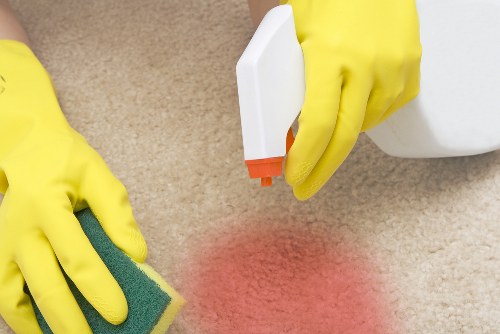
A sofa is often the centerpiece of a home. It is where families relax, guests gather, children play, and pets nap. Because of this constant use, upholstery accumulates more than just visible dirt. It also traps fine dust, allergens, skin flakes, bacteria, and odors. Regular sofa cleaning in homes is not just about keeping furniture attractive; it is also about supporting a cleaner and more comfortable living space.
One of the main reasons homeowners invest in sofa cleaning is to improve indoor hygiene. Upholstered furniture can harbor particles that affect air quality, especially in homes with pets, smokers, or allergy sufferers. A well-maintained sofa contributes to a healthier environment and helps reduce the amount of debris circulating through your rooms.
Another important reason is longevity. Dirt particles act like tiny abrasives, wearing down fabric fibers over time. When you invest in regular sofa cleaning in a routine, you help preserve texture, color, and structure. That means fewer premature replacements and better value from your furniture.
Understanding Different Sofa Materials
Before you begin any cleaning process, it is important to identify your sofa material. Different fabrics and surfaces require different cleaning methods. Using the wrong cleaner can lead to discoloration, shrinkage, water spots, or permanent damage. Knowing the material is a key step in effective sofa cleaning in any home.
Fabric sofas are common and comfortable, but they tend to absorb spills quickly. Cotton, linen, microfiber, velvet, and polyester blends all behave differently when cleaned. Some can handle light moisture, while others need low-moisture or dry cleaning approaches.
Leather sofas need special care. They do not usually trap dust the way fabric does, but they can crack or fade if treated with harsh chemicals. Leather requires gentle cleaning, conditioning, and proper drying to maintain its natural finish. If you are considering sofa cleaning in a home with leather seating, always check the manufacturer’s care label first.
Suede and velvet upholstery are especially delicate. These materials may need soft brushing, careful vacuuming, and professional treatment for deep stains. Because the surface nap can be easily disturbed, aggressive scrubbing should be avoided.
How to Read the Care Tag
Most sofas include a care tag that indicates safe cleaning methods. Common labels include:
- W — Water-based cleaner allowed
- S — Solvent-based cleaner only
- WS — Water or solvent cleaner allowed
- X — Vacuum only; professional cleaning recommended
Checking the label before sofa cleaning in any room helps prevent costly mistakes and ensures the best results.
Simple Sofa Cleaning Routine for Weekly Maintenance
A regular cleaning schedule makes deep cleaning easier and more effective. Weekly care does not take long, but it can dramatically improve the condition of your upholstery. For most households, a simple routine is enough to keep a sofa looking fresh between deep cleans.
Start with a thorough vacuum using the upholstery attachment. Focus on crevices, seams, under cushions, and along the backrest where dust and crumbs often collect. This step is foundational in sofa cleaning in homes because it removes loose debris before it settles deeper into the fibers.
Next, brush or wipe the sofa surface according to the fabric type. Microfiber and leather may need light wiping, while fabric sofas benefit from a soft brush that lifts lint and pet hair. If cushions are removable, vacuum both sides and rotate them regularly to even out wear.
Weekly Maintenance Checklist
- Vacuum all surfaces and crevices.
- Remove crumbs, dust, and pet hair.
- Fluff and rotate cushions.
- Spot-treat small marks immediately.
- Air out the room to reduce lingering odors.
This routine supports effective sofa cleaning in between professional visits and helps prevent stains from setting.
Deep Sofa Cleaning Methods That Work
When a sofa begins to look dull, smell stale, or show visible stains, it may be time for a deeper approach. Deep sofa cleaning in homes can be done in several ways depending on the material and level of soiling. The goal is to remove embedded dirt without damaging the upholstery.
Vacuum extraction is often the first step in a deep clean. This removes surface dust and prepares the fabric for treatment. For washable fabrics, a mild upholstery cleaner may be applied with a damp cloth or soft sponge. Always test in an inconspicuous area first to make sure the color does not bleed.
Steam cleaning is another popular method for certain fabrics. Hot steam can loosen dirt and kill some bacteria, but it should not be used on every material. Excess moisture can damage delicate upholstery, so care and caution are required. Effective sofa cleaning in this context means choosing the method that suits the sofa, not simply the most powerful one.
Dry Cleaning and Low-Moisture Methods
Some sofas are best cleaned with low-moisture foam or solvent-based solutions. These methods are often preferred for materials that cannot tolerate heavy water exposure. Dry cleaning can be especially useful for delicate fabrics, because it minimizes drying time and reduces the risk of water marks.
Professional-grade cleaning systems can also provide more consistent results, especially for large furniture or heavily used family sofas. When stains are widespread or odor has become embedded, expert sofa cleaning in can be the best solution for restoring freshness and appearance.
How to Remove Common Sofa Stains
Stains happen. Coffee spills, juice drops, greasy snacks, makeup, ink, and pet accidents are all common problems in busy households. The key to successful sofa cleaning in stain removal is quick action. The sooner you treat a spill, the better your chances of preventing permanent damage.
For liquid spills, blot immediately with a clean microfiber cloth. Do not rub, because rubbing pushes the liquid deeper into the fabric. Apply a small amount of the appropriate cleaner if the care label allows it, then blot again with a dry cloth.
For food stains, gently lift away solids first. Then use a mild cleaning solution suitable for your upholstery type. Grease stains may require a small amount of upholstery-safe degreaser, while protein-based stains often need a fabric-friendly enzyme cleaner. Proper sofa cleaning in these situations depends on using the right formula for the stain type.
Common Stain Solutions
- Coffee or tea: Blot and treat with mild soap and water if allowed.
- Ink: Use alcohol-based cleaning carefully on compatible fabrics.
- Pet accidents: Use an enzyme cleaner to neutralize odor and residue.
- Grease: Sprinkle absorbent powder first, then clean gently.
- Wine: Blot quickly and use a suitable upholstery cleaner.
It is important not to oversaturate the fabric. Too much moisture can leave marks, slow drying, and even cause mildew. Careful sofa cleaning in stain-prone homes should always balance effectiveness with fabric safety.
Odor Removal and Freshness Tips
Even if your sofa looks clean, it may still hold odors from food, pets, sweat, smoke, or humidity. Odor removal is a major part of sofa cleaning in any household, especially if your furniture is used daily. Neutralizing smells creates a more welcoming environment and helps the whole room feel cleaner.
One simple method is to sprinkle baking soda lightly over the fabric and let it sit for several hours before vacuuming it away. Baking soda can help absorb smells without introducing harsh chemicals. This method works best on fabrics that tolerate dry treatment.
Another helpful strategy is improving ventilation. Open windows, use fans, or run an air purifier to help reduce trapped odors. For persistent smells, especially pet or smoke odors, professional sofa cleaning in may be necessary because deeper layers of the upholstery and padding can hold onto odor molecules.
Ways to Keep Your Sofa Smelling Fresh
- Vacuum regularly to remove odor-causing debris.
- Use removable covers or throws for high-use areas.
- Address spills immediately before smells settle in.
- Let the sofa air out occasionally.
- Schedule periodic deep cleaning for embedded odors.
Benefits of Professional Sofa Cleaning
While many homeowners handle basic maintenance on their own, professional sofa cleaning in services offer several advantages. Trained technicians know how to identify fabric types, choose the correct cleaning method, and remove stubborn dirt more effectively than a standard household routine.
Professional cleaners often use specialized equipment that extracts dirt from deeper within the upholstery. This can be especially beneficial for large sofas, delicate materials, or furniture with heavy staining. In many cases, professional treatment delivers a more even and thorough finish than DIY methods.
There is also the convenience factor. Deep furniture cleaning can be time-consuming and physically demanding. Hiring experts saves time and reduces the risk of accidental damage. For busy families, pet owners, or households with allergy concerns, professional sofa cleaning in can be a smart investment in both comfort and hygiene.
When to Consider Expert Help
You may want professional assistance if:
- The sofa has deep or repeated stains.
- Odors remain after home cleaning.
- The upholstery is delicate or expensive.
- You are unsure which cleaner to use.
- Your sofa has not been cleaned for a long time.
How Often Should You Clean a Sofa?
The ideal cleaning frequency depends on household activity, sofa material, and whether you have pets or children. As a general rule, vacuuming should be done weekly, spot cleaning should happen as needed, and deep sofa cleaning in should be completed every 6 to 12 months.
Homes with pets, small children, or frequent guests may need deeper cleaning more often. In these settings, upholstery can become dirty faster, and odors may develop sooner. On the other hand, a rarely used formal sofa may not require deep cleaning as often, though it still benefits from dust removal and occasional care.
Regularity matters because it prevents buildup. Once grime becomes embedded in the fibers, sofa cleaning becomes more difficult and may require stronger treatment. Staying ahead of the dirt keeps maintenance simple and extends the life of your furniture.
Suggested Cleaning Frequency
- Weekly: Vacuum and light maintenance.
- Monthly: Rotate cushions and inspect for stains.
- Every 6–12 months: Deep clean or schedule professional service.
- Immediately: Treat spills and accidents.
Smart Sofa Care Habits That Protect Your Investment
Good sofa maintenance is about more than cleaning. It also involves habits that reduce wear and make sofa cleaning in the future easier. Small daily choices can preserve the look and feel of your upholstery for years.
For example, keeping food and drinks away from the sofa can significantly reduce stain risk. Using throws or washable slipcovers in high-traffic homes adds another protective layer. These simple precautions do not replace cleaning, but they help minimize damage and extend the time between intensive treatments.
Sunlight can also affect upholstery, especially fabric and leather. Direct exposure may fade colors and dry out materials. If your sofa sits near a bright window, consider using curtains or repositioning the furniture periodically. Thoughtful placement is an often-overlooked part of sofa cleaning in the broader sense of furniture care.
Helpful Long-Term Habits
- Keep pet paws and food off the upholstery when possible.
- Use armrest covers in high-use homes.
- Vacuum under cushions and behind the sofa.
- Address spills immediately.
- Follow the manufacturer’s care instructions.
Choosing the Right Sofa Cleaning Approach for Your Home
Not every sofa requires the same treatment, and not every household has the same cleaning needs. The best results come from matching the method to the material, the level of use, and the type of dirt present. That is the heart of successful sofa cleaning in modern homes.
If your sofa is lightly soiled, a vacuum, spot treatment, and deodorizing step may be enough. If it is heavily used or stained, a deeper extraction method may be better. If the material is delicate, a low-moisture or professional approach is often safest. Choosing wisely protects the fabric and improves the final result.
When in doubt, start gently. Test cleaners, read labels, and avoid harsh scrubbing. Careful sofa cleaning in your living space should be effective without being aggressive. The goal is to refresh, protect, and prolong the life of your furniture while keeping your home looking its best.
Final Thoughts
A clean sofa makes a home feel more comfortable, polished, and inviting. Whether you handle maintenance yourself or choose professional help, regular attention pays off in appearance, hygiene, and durability. From basic vacuuming to deep stain removal, the right sofa cleaning approach can transform a tired-looking couch into a fresh and welcoming centerpiece.
If your upholstery needs attention now, do not wait until stains or odors become harder to remove. Book your service now and enjoy the difference that proper sofa cleaning in can make. A cleaner sofa means a cleaner home, and that is a result worth prioritizing.