Mattress Cleaning: A Practical, SEO-Friendly Approach to a Cleaner, Healthier Sleep Space
Mattress cleaning is one of the most overlooked parts of home care, yet it can make a major difference in sleep quality, indoor hygiene, and overall comfort. Many people focus on vacuuming floors, washing sheets, and dusting surfaces, but the mattress often gets ignored for months or even years. Over time, it can collect dust mites, sweat, dead skin cells, allergens, stains, and odors that affect how fresh your bedroom feels. Regular mattress cleaning helps reduce these issues and supports a healthier sleeping environment.
Whether you are dealing with everyday buildup or a stubborn stain, mattress cleaning can be simple when approached correctly. The right routine not only helps extend the life of your bed but also improves freshness and comfort. If you have ever wondered how to keep your mattress in better condition without damaging it, this article covers practical methods, useful techniques, and maintenance habits that can help. Mattress cleaning is not just about appearance; it is about creating a cleaner place to rest every night.
In this article, you will learn what causes mattress buildup, how to clean different types of stains, which tools are useful, and how to build a maintenance routine that works. You will also find tips for odor control, allergen reduction, and when to consider professional help. If your goal is to improve sleep hygiene and keep your bedroom fresher for longer, consistent mattress cleaning is a smart place to start.
Why Mattress Cleaning Matters

Mattress cleaning matters because the average mattress is used for hours every night, making it a natural place for buildup. Sweat, body oils, spilled drinks, pet dander, dust, and skin flakes gradually settle into the fabric and layers. Even if a mattress looks clean on the surface, hidden debris can still cause odors and trigger allergies. Over time, this buildup can affect both comfort and sleep quality.
A clean mattress also supports better bedroom hygiene. When mattress cleaning is part of your regular household routine, it becomes easier to keep the entire sleeping space fresh. Bedding stays cleaner for longer, odors are less noticeable, and the overall room feels more pleasant. This is especially important for people with asthma, allergies, or sensitivities to dust and fragrance.
Another important reason for mattress cleaning is longevity. Dirt and moisture can slowly break down fibers and materials, making a mattress wear out faster. By taking the time to clean and maintain it properly, you help preserve its condition. That means better support, better comfort, and potentially fewer replacement costs over time.
Common Problems Mattress Cleaning Can Help Solve
Mattress cleaning can address several common household issues that many people encounter but do not always connect to their bed. One of the biggest concerns is dust mites. These tiny organisms thrive in warm environments and feed on dead skin cells. Although invisible to the eye, they can contribute to allergy symptoms and discomfort. Regular mattress cleaning helps reduce their presence.
Stains are another frequent issue. Sweat marks, urine accidents, blood spots, coffee spills, and makeup residue can all leave visible marks that are difficult to ignore. Mattress cleaning techniques can help minimize or remove many of these stains before they become permanent. The earlier you treat them, the better the outcome usually is.
Odor control is also a major reason people invest time in mattress cleaning. Moisture, body oils, and environmental smells can settle into the mattress and create an unpleasant scent. A fresh-smelling bed makes the entire room feel more inviting. Mattress cleaning helps remove the source of odors rather than simply masking them with sprays.
In some cases, mattress cleaning can even improve sleep behavior. A cleaner bed often feels more comfortable and relaxing. When you know your sleep surface is fresh, you may find it easier to settle down at night. That sense of cleanliness adds to the overall experience of rest.
Essential Supplies for Mattress Cleaning
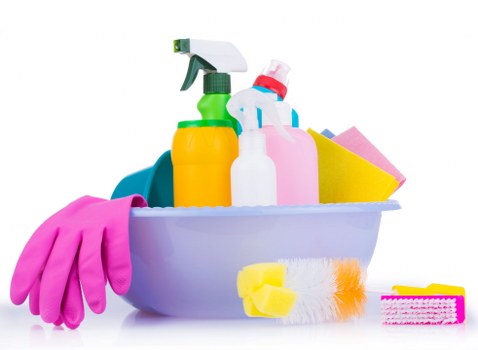
Before starting mattress cleaning, it helps to gather the right tools. Having everything ready makes the process smoother and prevents moisture from sitting too long on the surface. A few simple items are often enough for most routine cleaning tasks.
Useful mattress cleaning supplies include:
- A vacuum cleaner with a upholstery attachment
- Baking soda for odor absorption
- Mild liquid detergent or gentle upholstery cleaner
- Clean microfiber cloths or towels
- A spray bottle for lightly applying cleaning solution
- Cold water for spot treatment
- Optional enzyme cleaner for organic stains
It is important to avoid soaking the mattress. Excess water can penetrate deep into the foam or springs and lead to mold growth or lingering dampness. Effective mattress cleaning depends on using as little liquid as possible while still treating the problem. Light applications and careful blotting are usually the best approach.
Also, check the manufacturer’s care label if one is available. Some mattresses have specific cleaning recommendations based on material type. Memory foam, latex, hybrid, and innerspring mattresses may each respond differently. Following those instructions helps protect the structure and finish of the mattress.
How to Clean a Mattress Step by Step
Mattress cleaning does not have to feel overwhelming. A systematic process makes it easier to handle both routine maintenance and deeper cleaning. The steps below work well for most mattresses and can be adjusted based on the type of stain or odor you are dealing with.
1. Remove Bedding and Wash It
Start by stripping the bed completely. Remove sheets, pillowcases, mattress protectors, and any washable covers. Wash these items in the hottest water recommended by the fabric label. Clean bedding supports mattress cleaning because it prevents dirt and oils from returning to the surface immediately after you finish.
2. Vacuum the Surface
Use a vacuum cleaner with an upholstery attachment to remove dust, hair, crumbs, and loose debris. Move slowly across the entire mattress, including seams, edges, and tufted areas. This is one of the most important parts of mattress cleaning because it removes surface buildup before moisture is added.
3. Treat Stains Carefully
For spot treatment, blot the stain with a clean cloth and a small amount of appropriate cleaning solution. Avoid rubbing, since that can spread the stain or push it deeper into the fabric. For organic stains, an enzyme cleaner may be especially useful. For general stains, a mixture of mild detergent and water can often help.
Apply solution lightly, blot again, and repeat if needed. Always test a small hidden area first if you are unsure how the mattress material will react. Careful treatment is the key to successful mattress cleaning.
4. Deodorize with Baking Soda
After spot cleaning, sprinkle a thin layer of baking soda over the mattress surface. Let it sit for several hours, or longer if possible, so it can absorb odors and moisture. Then vacuum it thoroughly. This step is one of the easiest ways to improve freshness during mattress cleaning.
Cleaning Different Types of Mattress Stains

Not all stains behave the same way, so mattress cleaning often requires matching the method to the problem. Some stains are water-based, while others are protein-based or oily. Knowing the difference can improve your results and prevent accidental damage.
Blood Stains
Blood stains should be treated with cold water, not hot water, because heat can set the stain. Blot gently with a clean cloth, use a mild solution if needed, and repeat the process until the stain lightens. Quick response is essential for successful mattress cleaning after blood spills.
Urine Stains
Urine stains can create both discoloration and odor. Blot up as much liquid as possible first, then use an enzyme cleaner designed to break down organic matter. After treatment, apply baking soda to help absorb odor and moisture. This type of mattress cleaning is especially important in homes with children or pets.
Sweat and Yellowing
Sweat stains often appear as yellow or brown discoloration over time. These stains may not come out instantly, but regular mattress cleaning can reduce their appearance. A mild detergent solution, followed by baking soda deodorizing, can help refresh the area.
Coffee, Tea, and Beverage Spills
For beverage spills, blot immediately and avoid saturating the mattress. Use a light cleaning solution and continue blotting until the stain fades. Drying quickly is important because dark liquids can leave marks that become harder to remove over time.
Blood, Makeup, and Oily Residue
For oily or cosmetic stains, a gentle soap solution may work better than water alone. Use a cloth to dab the area, then blot dry. Mattress cleaning for these stains often requires patience and a few rounds of treatment rather than one aggressive attempt.
How Often Should Mattress Cleaning Be Done?

The right schedule depends on how the mattress is used, but most households benefit from regular mattress cleaning every few months. Vacuuming the mattress monthly is a good habit, especially if you have allergies, pets, or children. Deep mattress cleaning can be done every three to six months, depending on lifestyle and usage.
If you notice odors, visible stains, or allergy symptoms, it may be time to clean sooner. Mattresses used in guest rooms may need less frequent attention, while heavily used master bedrooms should be cleaned more often. Mattress cleaning becomes more effective when it is done consistently rather than only when problems become obvious.
A practical routine might look like this:
- Strip and wash bedding weekly
- Vacuum the mattress monthly
- Spot clean stains as soon as they occur
- Deodorize with baking soda every few months
- Rotate or flip the mattress if recommended by the manufacturer
This type of schedule helps reduce buildup and keeps your sleep surface in better condition year-round.
Mattress Cleaning for Allergy Control
For allergy sufferers, mattress cleaning can make a noticeable difference. Dust mites, pollen, pet dander, and mold spores can all accumulate in bedding and upholstery. Since the mattress is such a central part of sleep, it can become a major source of irritation if not maintained properly.
To support allergy control, use a vacuum with a HEPA filter if possible. This can help trap fine particles rather than releasing them back into the air. Wash bedding in hot water, keep humidity low, and use a mattress protector to reduce contact with allergens. Mattress cleaning should be paired with overall bedroom care for the best results.
It is also helpful to reduce clutter near the bed, since dust gathers easily on nearby surfaces. A cleaner bedroom environment works together with mattress cleaning to create a more comfortable place to sleep. If allergy symptoms tend to worsen at night, your mattress may be a major factor worth addressing.
Odor Removal Tips That Work
Odors can linger in a mattress even when it looks clean, which is why odor-focused mattress cleaning is so valuable. The goal is not just to cover smells but to remove what is causing them. That often means removing moisture, debris, and trapped organic matter.
Freshness-Boosting Techniques
- Use baking soda to absorb smells
- Keep the room well-ventilated during cleaning
- Allow the mattress to dry fully before replacing bedding
- Use a mattress protector to limit future odor buildup
- Rotate the mattress if one area gets more use than others
Sunlight can also help when available. If the mattress can be moved safely, brief exposure to indirect sunlight may assist with odor reduction and moisture evaporation. However, avoid overexposure that could damage certain materials. Balanced mattress cleaning habits usually work better than occasional heavy treatment.
When to Consider Professional Mattress Cleaning
Sometimes DIY mattress cleaning is enough, but there are situations where professional help may be a better option. Large stains, persistent odors, mold concerns, or delicate materials may require specialized tools and techniques. Professional mattress cleaning services often use equipment that extracts deep-set dirt more effectively than household tools.
Professional treatment can also save time when a mattress has not been cleaned for a long period. If you are dealing with a recurring issue or if you simply want a deeper level of freshness, expert service may be worth considering. Mattress cleaning performed by trained specialists can be useful for households managing heavy use, pet accidents, or older mattresses that need extra care.
Booking a professional service can also provide peace of mind. The mattress is one of the most important items in the home, and maintaining it properly can support better sleep and cleanliness. If the issue feels larger than a spot-cleaning task, book your service now and restore your mattress with the right tools and expertise.
Preventive Habits That Make Mattress Cleaning Easier
Good prevention reduces the amount of effort required later. Simple habits can keep mattress cleaning manageable and help preserve freshness between deeper cleanings. The more consistently you protect your bed, the less likely you are to deal with severe stains or odors.
Helpful Preventive Habits
- Use a waterproof mattress protector
- Change and wash sheets weekly
- Vacuum the bed frame and surrounding area regularly
- Keep food and drinks away from the mattress when possible
- Address spills immediately before they soak in
- Air out the mattress occasionally if climate and setup allow
These small actions can significantly reduce the need for intensive mattress cleaning later. They also help maintain a cleaner, more relaxing bedroom. Prevention is often the easiest way to protect your investment and keep your mattress feeling fresh.
Safe Practices and Mistakes to Avoid
Although mattress cleaning is fairly straightforward, there are a few mistakes that can cause problems. One common mistake is using too much water. Mattresses are thick, and moisture can become trapped inside, creating mold risk or a lingering damp smell. Another mistake is scrubbing too hard, which can damage the fabric or push stains deeper.
Avoid using harsh bleach or strong chemicals unless the manufacturer specifically allows them. These products can discolor materials and may leave behind irritating residues. It is also important not to replace bedding before the mattress is fully dry. Rushing this step can undo your hard work and create a musty smell.
For best results, keep your mattress cleaning routine gentle, patient, and consistent. When in doubt, choose methods that use light moisture, blotting, and airflow rather than heavy saturation. A cautious approach is usually the safest way to protect the mattress while still improving cleanliness.
Final Thoughts on Mattress Cleaning
Mattress cleaning is a simple but powerful way to improve bedroom hygiene, support better sleep, and extend the life of your mattress. Whether you are handling a fresh spill, an older stain, or routine maintenance, the key is to act carefully and consistently. A clean mattress contributes to a cleaner home and a more comfortable rest environment.
From vacuuming and deodorizing to spot treatment and odor control, there are many practical steps you can take without specialized equipment. Even a basic mattress cleaning routine can make a noticeable difference in how fresh your bed feels. For households dealing with persistent stains, allergies, or heavy use, professional support may be the right next step.
If your mattress could use attention, now is a great time to start. Mattress cleaning is an investment in comfort, health, and long-term value. Contact us today to learn more about your options, or book your service now if you want expert help restoring freshness and cleanliness.