Pet Stain Odour Removal in Homes: Effective Solutions for Fresh, Clean Living Spaces
Why Pet Stain Odour Removal Matters for Every Home
Living with pets brings joy, companionship, and comfort, but it can also bring a recurring challenge: pet stain odour removal. Whether it is a new puppy learning house rules or an older cat with occasional accidents, pet-related stains and smells can quickly affect the comfort of your home. If left untreated, these odours can become deeply embedded in carpets, upholstery, floors, and even subflooring, making them harder to eliminate later.
Pet stain odour removal is not just about making a room smell pleasant again. It is about maintaining a clean environment, protecting indoor air quality, and preventing lingering bacteria from spreading. Pet urine, feces, and vomit all contain compounds that can seep into porous surfaces and create persistent smells. The longer a stain remains, the more difficult it becomes to remove completely.
For homeowners, renters, and pet lovers alike, understanding the right techniques for pet stain odour removal can save time, money, and frustration. It also helps preserve the life of carpets, rugs, cushions, and furniture. When a space is properly treated, it feels fresher, looks cleaner, and becomes more enjoyable for everyone in the household.
Understanding the Source of Pet Stains and Odours
To succeed with pet stain odour removal, it helps to understand why these smells are so stubborn. Pet urine, for example, contains uric acid, urea, and bacteria. When urine dries, it leaves behind crystals that can reactivate with moisture, causing odours to return even after a surface seems clean. This is one reason some smells appear to disappear only to resurface later.
Pet accidents are especially problematic on soft surfaces like carpet, mattresses, and fabric sofas. These materials absorb liquids quickly, allowing odour-causing particles to travel deeper into the fibers and padding. Hard surfaces such as tile or sealed hardwood are easier to clean, but grout lines, cracks, and seams may still trap residue. Effective pet stain odour removal requires treating not just the visible spot but also the hidden contamination underneath.
Different pet messes require different approaches. Urine needs enzyme-based treatment, while vomit and feces often need both stain removal and sanitizing. The key is acting quickly, using the right product, and avoiding methods that can lock in the stain or intensify the smell. A well-planned approach makes pet stain odour removal far more successful.
Common Areas Where Pet Stain Odours Build Up
Pet stain odour removal is often needed in the same problem zones throughout the home. Carpets and rugs are among the most common because they absorb liquids readily and can hold smells for a long time. If a pet repeatedly uses the same spot, the odour can become concentrated and difficult to eliminate with regular cleaning products.
Upholstered furniture is another frequent trouble area. Sofas, chairs, and cushions can trap moisture deep within the fabric. Beds and mattresses are also vulnerable, especially if pets are allowed to sleep with their owners. In these cases, pet stain odour removal may require repeated treatments and careful drying to prevent mould and lingering smells.
Hard flooring is not immune either. Baseboards, corners, floor gaps, and even walls can absorb splashes or spray marks, particularly from male pets. That means a thorough odour control plan should include visible surfaces and surrounding areas. For many households, the best results come from addressing all likely contamination points in one cleaning session.
Best Practices for Pet Stain Odour Removal
The first rule of effective pet stain odour removal is to act quickly. Fresh stains are much easier to treat than old ones. Blot the area immediately with paper towels or a clean cloth to absorb as much liquid as possible. Avoid rubbing the stain, because that can spread the mess and push it deeper into the material.
Next, use a cleaner designed specifically for pet accidents. Enzymatic cleaners are often the most effective because they break down the organic compounds that cause smells. These products work by digesting the source of the odour rather than simply masking it. That makes them a powerful tool in long-lasting pet stain odour removal.
Always test cleaning solutions on a small, hidden area first to ensure they do not damage the surface. Different fabrics, rugs, and floor finishes react differently to moisture and chemicals. Good pet stain odour removal depends on matching the cleaner to the surface and following the product instructions closely.
Step-by-Step Approach for Fresh Pet Stains
If the accident is fresh, follow a careful process for better results:
- Blot the area immediately with absorbent material.
- Remove any solids with gloves and disposable paper.
- Apply an enzymatic cleaner generously to the affected area.
- Allow the cleaner to sit for the recommended time.
- Blot again or rinse lightly if the product instructions require it.
- Let the area dry fully with good airflow.
This method supports strong pet stain odour removal by addressing both the stain and the smell at the source. A quick response often means less scrubbing and fewer repeat treatments.
When drying, use fans or open windows if possible. Moisture trapped in carpet or fabric can worsen odours and create conditions for mould growth. Thorough drying is a critical part of pet stain odour removal that many people overlook.
How to Handle Old or Set-In Pet Odours
Old stains are more challenging because the odour has usually penetrated deeper into the material. In these cases, surface cleaning alone is rarely enough. Stronger pet stain odour removal methods may be needed, including repeated enzyme treatment, steam cleaning where appropriate, and professional deep extraction.
If a stain has been there for weeks or months, inspect the area carefully. Use your sense of smell and, if possible, a UV light to identify hidden spots. Pets often return to the same area repeatedly, so one visible stain may indicate several hidden ones nearby. This is especially common in carpeted rooms and around furniture legs.
For persistent smells, a deeper intervention may be necessary. Padding beneath the carpet can absorb urine and continue releasing odours even after the surface appears clean. In severe cases, pet stain odour removal may require lifting the carpet, replacing padding, or treating subflooring. That is why fast action is always preferable to waiting.
DIY Pet Stain Odour Removal Methods That Actually Help
Many homeowners prefer to try do-it-yourself solutions before calling a professional. Some DIY methods can be useful, but they must be chosen carefully. The most reliable home method for pet stain odour removal is an enzyme cleaner made for pet messes. These are specifically formulated to break down urine, feces, and vomit residue.
White vinegar and baking soda are often used in home cleaning, and while they can help with mild smells, they are not always enough for deep odours. Vinegar can neutralize some alkaline residues, while baking soda can absorb surface smells. However, for serious pet stain odour removal, they are usually best used as supporting steps rather than the main solution.
Hydrogen peroxide may help with some stains, but it can bleach fabrics or finishes. It is important to use caution and test first. A balanced approach to pet stain odour removal means choosing methods that are effective without damaging your home. When in doubt, select products labeled safe for the specific surface you are treating.
Simple DIY Tools to Keep on Hand
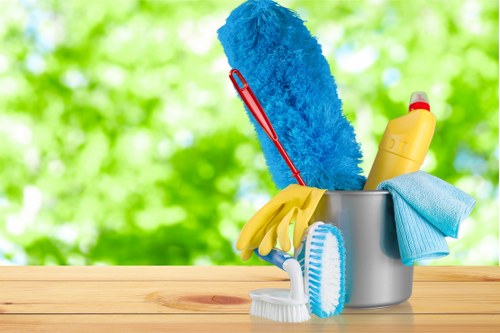
A practical pet-cleaning kit may include:
- Enzymatic cleaner
- Microfiber cloths
- Paper towels
- Gloves
- Soft-bristle brush
- Wet/dry vacuum
- Baking soda
Having these items ready makes pet stain odour removal faster and less stressful. The sooner you can respond, the better your results will be.
Tip: keep a designated cleaning caddy in a closet or utility room so you are not searching for supplies during an emergency. Consistency improves pet stain odour removal results over time.
Professional Pet Stain Odour Removal Services
Sometimes the best solution is to bring in professionals. Deeply embedded smells, repeated accidents, and delicate surfaces often benefit from expert treatment. Professional pet stain odour removal services use advanced equipment such as hot water extraction, specialised deodorizing treatments, and industrial-strength enzyme solutions. These tools often reach deeper than household products can.
Professionals can also assess hidden damage. They may identify whether the smell is trapped in the underlay, subfloor, or wall material. This makes their approach more targeted and efficient. If you have tried several DIY methods without success, professional pet stain odour removal can often restore freshness much more effectively.
Another advantage is convenience. A skilled service can treat large areas in less time and reduce the chance of ongoing odour problems. For busy families, landlords, or property managers, this can be a smart investment in cleanliness and comfort.
Pet Stain Odour Removal for Carpets and Rugs
Carpets and rugs demand special attention because they hold both moisture and odour. When handling pet stain odour removal on carpet, the goal is to reach the entire affected zone, not just the top layer. Lightly wiping the surface is not enough if the urine has soaked into the backing or padding underneath.
Start by blotting, then apply an enzymatic cleaner generously. Make sure the cleaner reaches the same depth as the stain. If possible, use a wet/dry vacuum after treatment to draw out moisture. This can help remove lingering residue and support faster drying. Deep cleaning often makes a huge difference in carpet odour control.
For rugs, especially washable ones, follow the manufacturer’s instructions. Some rugs can be machine washed, while others need spot treatment only. In all cases, proper pet stain odour removal depends on complete drying. Even a small amount of trapped moisture can bring back the smell.
What Not to Do on Carpet
There are a few mistakes that can make odours worse:
- Using steam before the stain is fully treated
- Scrubbing aggressively and spreading the mess
- Using ammonia-based cleaners that can smell like urine
- Leaving the area damp for too long
- Skipping deodorizing treatment after stain removal
Avoiding these mistakes supports better pet stain odour removal and reduces the chance of repeat accidents in the same spot.
Important: if your carpet smell persists after cleaning, the problem may be below the surface. In that case, deeper treatment is needed for complete pet stain odour removal.
Odour Removal on Upholstery, Mattresses, and Fabric Surfaces
Fabric surfaces are sensitive, so pet stain odour removal must be careful and precise. Over-wetting upholstery can leave rings, distort padding, or encourage mildew. Apply cleaner lightly but thoroughly, and follow with blotting rather than soaking. A soft brush may help lift debris from the fibers without causing damage.
Mattresses require extra care because moisture can seep inside quickly. Remove bedding immediately and treat the surface with an appropriate pet-safe cleaner. If the accident is severe, repeated pet stain odour removal passes may be necessary. Always allow the mattress to dry fully before covering it again.
For cushions and removable covers, washing according to label instructions is often the safest route. Still, odor removal products may be needed first to break down residue. Well-managed pet stain odour removal keeps upholstery looking better and smelling clean for longer.
How to Prevent Future Pet Stain Odours
Prevention is just as important as cleaning. The best pet stain odour removal strategy is reducing the chance of repeat messes. Training, routine, and observation all play important roles. If your pet is having accidents frequently, it may signal a training issue or a health concern that should be addressed promptly.
Useful prevention steps include:
- Cleaning accidents immediately
- Keeping litter boxes and potty areas clean
- Using washable covers on furniture
- Restricting access to certain rooms when unsupervised
- Scheduling regular grooming and pet health checks
- Placing odor-neutralizing products in pet zones
These habits reduce the need for repeated pet stain odour removal and help keep your home fresher overall. A consistent routine is often the difference between occasional accidents and a recurring smell problem.
Pet Behaviour and Odour Control
Sometimes a pet returns to the same spot because they can still smell the trace of the original accident. That is why thorough pet stain odour removal matters so much. If a smell remains, even faintly, your pet may interpret it as an acceptable place to go again.
Training support can include positive reinforcement, scheduled toilet breaks, and keeping high-risk areas clean. If the issue continues, a veterinarian or behavior specialist may be able to help identify underlying causes.
Remember: cleaner surfaces encourage better habits. Effective pet stain odour removal supports a healthier home environment for both pets and people.
Choosing the Right Products for Pet Stain Odour Removal
Not all cleaning products are equal. The best products for pet stain odour removal are usually enzyme-based, pet-safe, and designed for the specific type of surface you are cleaning. Read labels carefully and look for solutions that target organic stains and odours rather than covering them with fragrance.
Fragranced sprays may temporarily mask the smell, but they do not solve the problem. In fact, heavy perfumes can combine with pet odours and make the room smell worse. True pet stain odour removal depends on breaking down the source rather than hiding it.
If you prefer natural options, keep in mind that natural does not always mean effective. The safest route is a product proven to work on pet messes and approved for your surface type. Strong performance and surface safety should both matter in pet stain odour removal.
Quick Checklist Before You Clean
Before starting any pet stain odour removal task, ask yourself:
- Is the stain fresh or old?
- What surface am I cleaning?
- Do I need an enzyme cleaner?
- Is the area safe to wet?
- How will I dry it completely?
This simple checklist can improve results and prevent accidental damage. Preparation matters as much as the cleaning itself.
When you use the right method from the start, pet stain odour removal becomes faster, easier, and more reliable.
When to Call in Advanced Help
There are times when standard cleaning is not enough. If your home still smells after several attempts at pet stain odour removal, there may be contamination under the carpet, behind baseboards, or inside flooring materials. Strong odours in multiple rooms can also indicate repeated accidents over time.
Deep contamination often needs extraction equipment, antimicrobial treatment, or restoration-level cleaning. A professional assessment can determine whether the issue is isolated or widespread. This saves time and helps avoid unnecessary trial-and-error.
If you are dealing with recurring odours, contact us today for expert support and book your service now. Timely action can prevent the smell from settling in permanently and help restore a cleaner, fresher home.
Final Thoughts on Pet Stain Odour Removal
Pet ownership should bring happiness, not lingering smells. With the right approach, pet stain odour removal does not have to be overwhelming. Fast action, the right products, proper drying, and regular prevention habits can make a major difference in your home’s cleanliness and comfort.
Whether you are dealing with a one-time accident or a stubborn odor problem, remember that effective pet stain odour removal is about addressing both the visible stain and the hidden source. The more thoroughly you clean, the better your results will be.
From carpets and upholstery to mattresses and hard floors, every surface responds better when treated correctly. If a smell continues despite your efforts, do not wait too long. Contact us today to arrange professional help and book your service now for a fresher, healthier living space.